
Blog
Paris at Christmas: what to see in 4 days and how much it costs
A 4-day itinerary around Christmas Paris: the lights of the Champs-Élysées, markets, museums and Versailles, with 2026 prices and how much the trip costs.
Paris always works, but at Christmas it has something extra: the lit-up trees along the Champs-Élysées, the mulled wine and chestnut stalls, and shorter queues at the big museums than in summer. If you've got a long weekend or a few days between Christmas and New Year, it's a perfect getaway.
Here's a 4-day itinerary to see the essentials without rushing, with this winter's dates for the lights and markets and a realistic idea of what it costs. An honest warning: in December night falls early, around 17:00, and it's genuinely cold, so the plan comes with warm clothing and stops to warm up.
Is it worth going to Paris at Christmas?
Yes. Between late November and early January the city fills with lights and markets, there's usually less of a queue at the big museums than in high season, and the cafés invite you to stop for a while. In exchange, the days are short and cold: you make the most of it by heading out early and ending the day with the lights switched on.
When do the lights go on and the Christmas markets open?
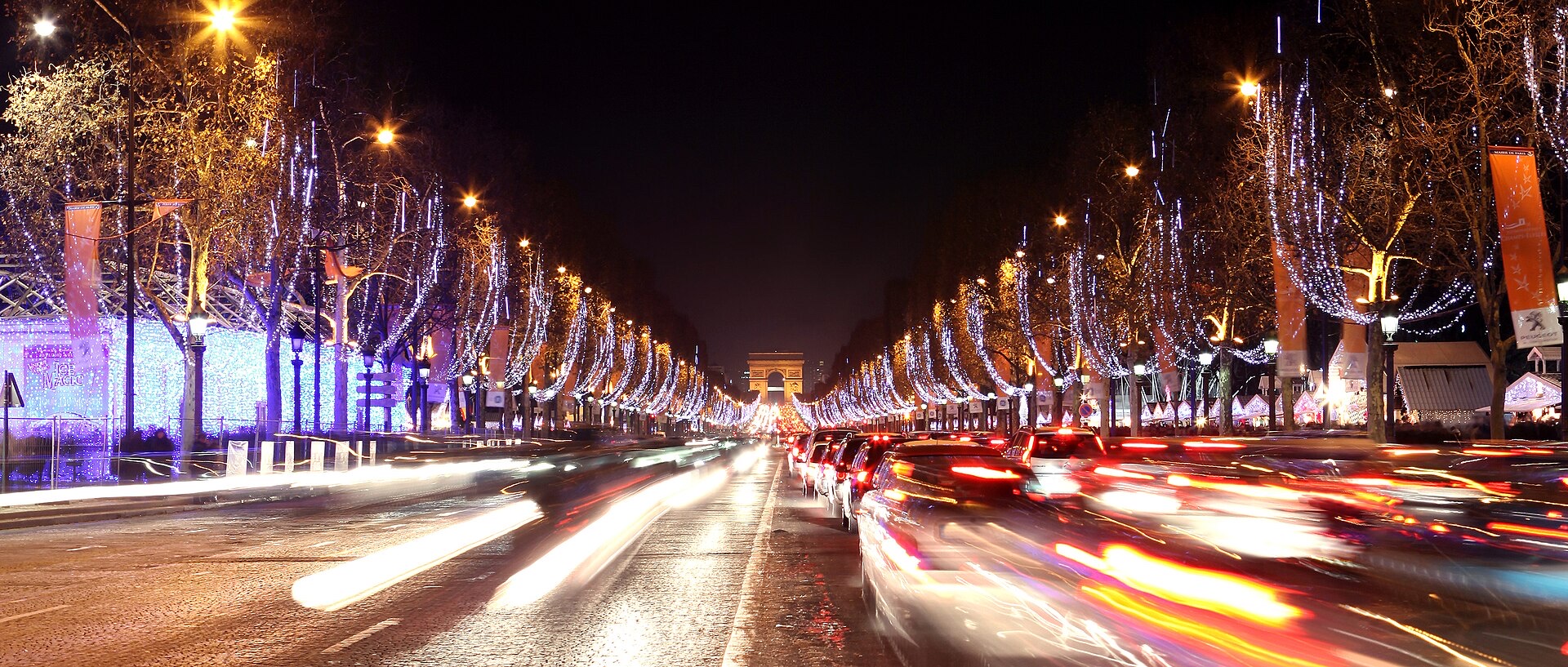
The Champs-Élysées lights are on from 22 November 2026 to 3 January 2027, every day from 17:00. Several markets coincide with those dates, so almost any week in December you'll catch the city lit up. These are the main ones this winter:
- Champs-Élysées. Lights from 22 November to 3 January; the Christmas market, back this year after almost a decade, runs until 4 January 2027.
- Tuileries Garden. Market and funfair rides from 14 November to 3 January, next to Place de la Concorde. Free entry.
- Notre-Dame. Market from 26 November to 27 December, from 10:00 to 20:00 and free entry, next to the cathedral.
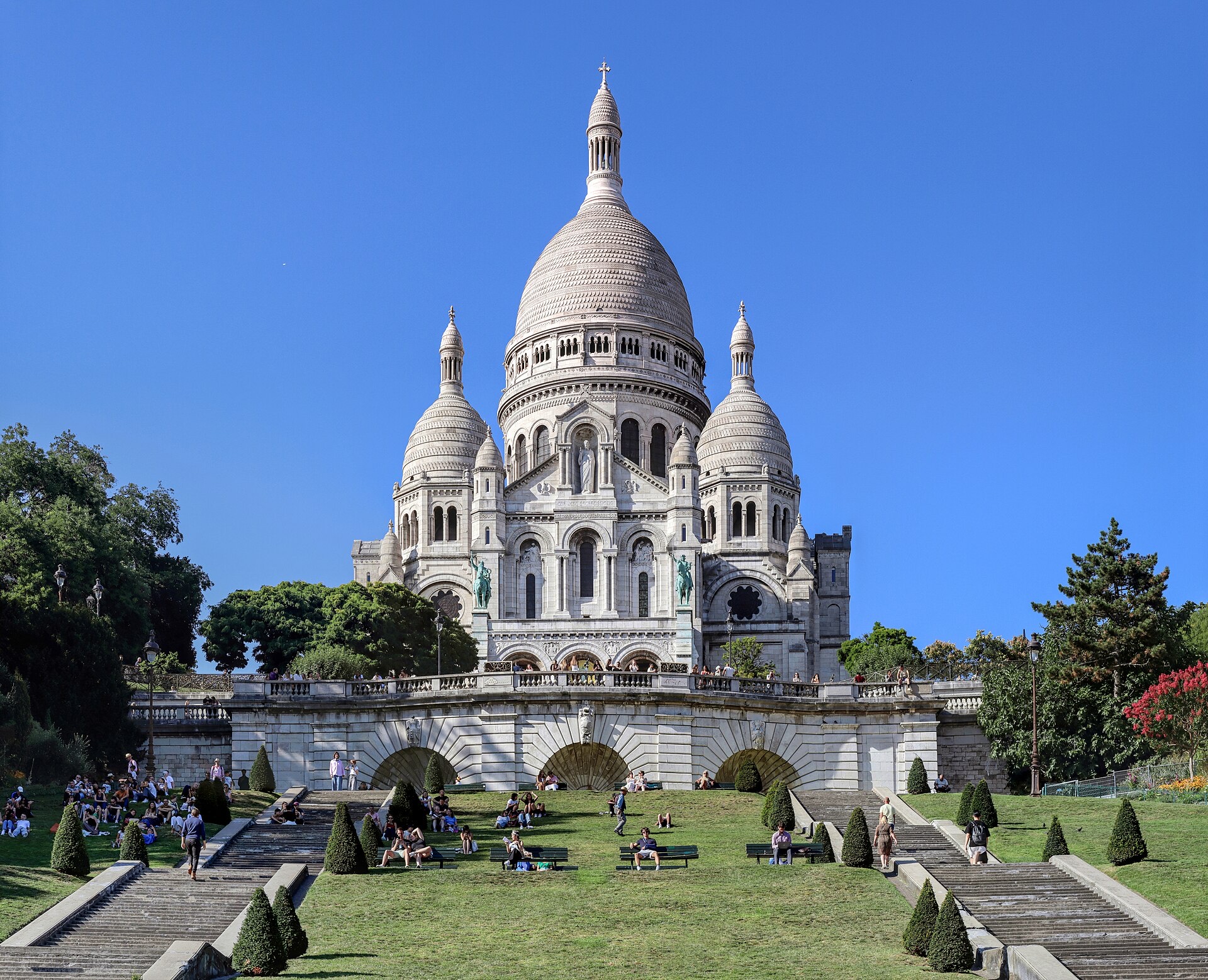
- Montmartre. Market from 21 November to 3 January, leading up towards the Sacré-Cœur.
- La Défense. The biggest one, from 12 November to 31 December, next to the Grande Arche.
What to see in Paris in 4 days?
Four days are enough for the essentials without rushing: one day for the Louvre and the Champs-Élysées, another for the Île de la Cité and the Left Bank, another for the Eiffel Tower and Montmartre, and a trip to Versailles. Here's the order we suggest.
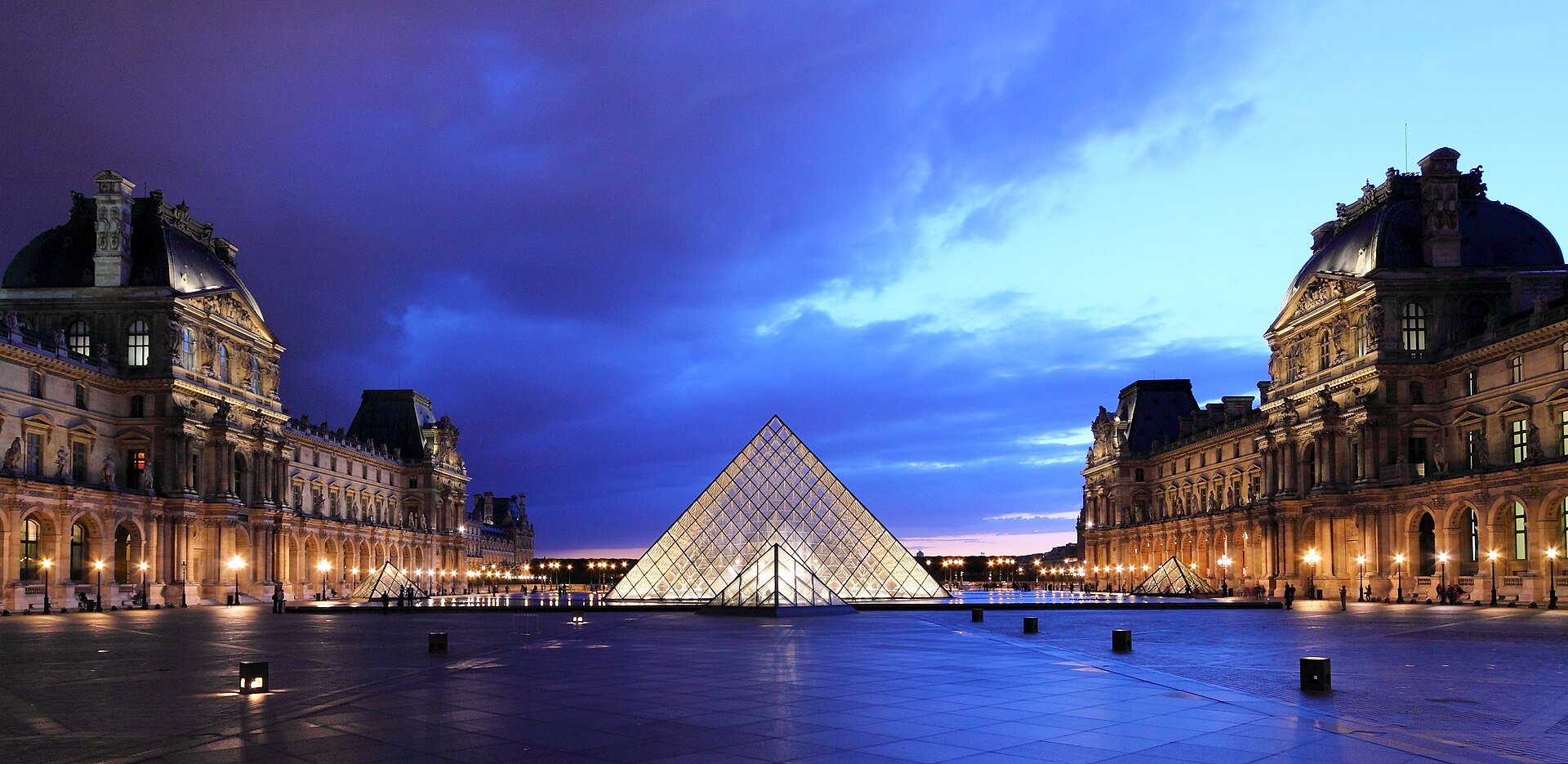
- Day 1 — Louvre and Champs-Élysées. Start at the Louvre first thing, when there are fewer people. Then cross the Tuileries Garden, with its market, to Place de la Concorde, and walk up the Champs-Élysées to the Arc de Triomphe. Come back at dusk to see the avenue lit up.
- Day 2 — Île de la Cité and Left Bank. The Sainte-Chapelle and the exterior of Notre-Dame, cross to the Latin Quarter, pass by the Panthéon and the Luxembourg Gardens and end the afternoon at the Musée d'Orsay.
- Day 3 — Eiffel Tower and Montmartre. The Eiffel Tower and the Trocadéro esplanade in the morning; in the afternoon, Montmartre and the Sacré-Cœur, then down towards Le Marais and the Centre Pompidou.
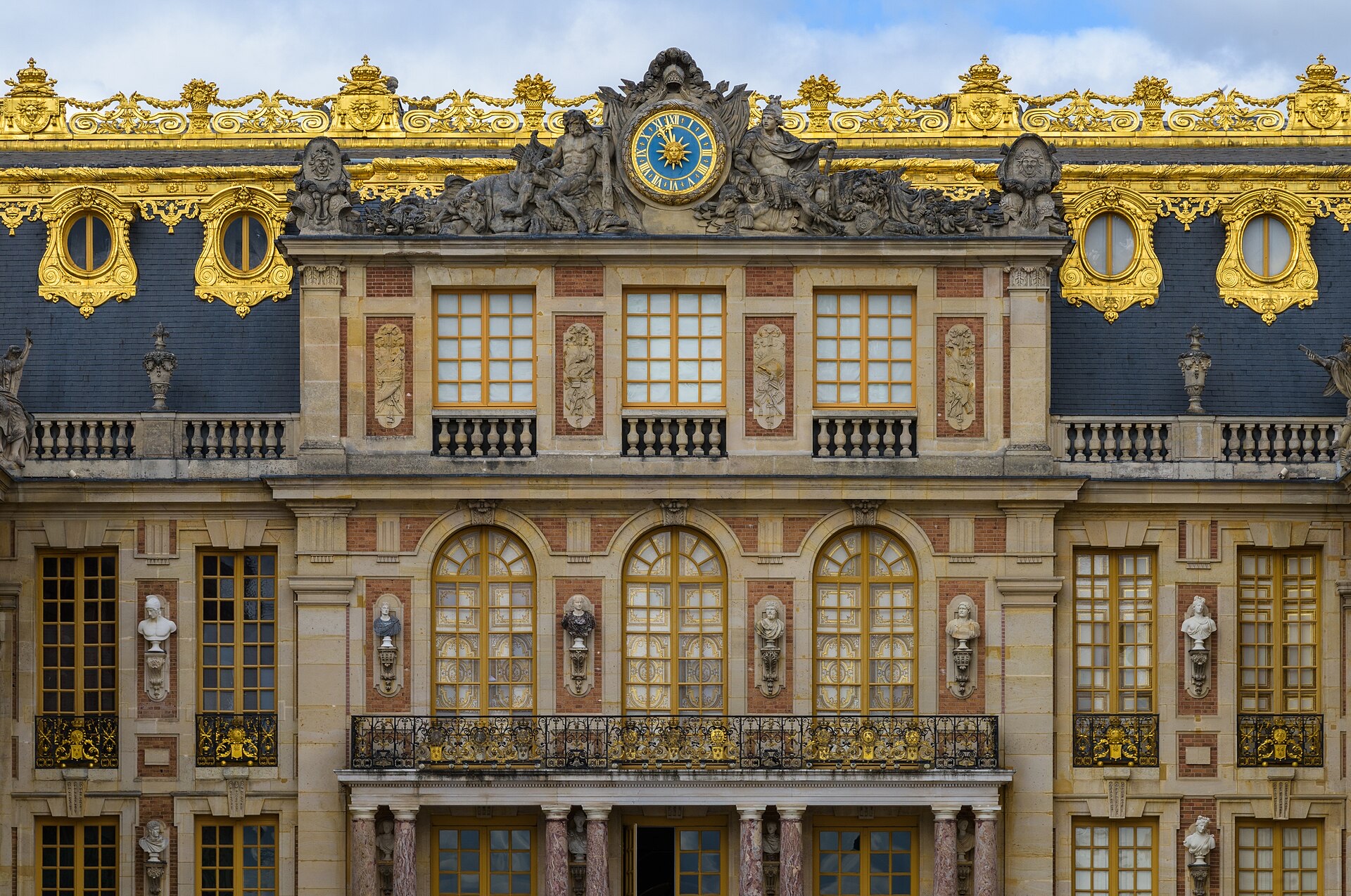
- Day 4 — Versailles. A whole day for the palace and gardens. You get there on the RER C to Versailles-Château Rive Gauche, about 40-50 minutes from the centre. Book your ticket in advance and go early.
With this split you'll have time left for what makes December special: stopping at a market, having something warm to drink and going back to the best viewpoints when the lights come on.
How much does a 4-day trip to Paris cost?
It mainly depends on accommodation and how many museums you visit. This is a rough estimate per person, not including the flight, for 4 days and 3 nights during the Christmas season (prices rise over the December long weekend and on New Year's Eve). Ticket prices are from 2026, checked in November 2026:
- Louvre: €22 (residents of the European Economic Area, such as Spain; book online). Closed on Tuesdays.
- Musée d'Orsay: €16 online, €14 at the box office. Free on the first Sunday of the month. Closed on Mondays.
- Eiffel Tower: €23.50 to the second floor by lift, €36.70 to the top and €14.80 taking the stairs to the second floor.
- Palace of Versailles: €25 for the Passport ticket in low season (€22 for EEA residents), covering the palace, Trianon and gardens. Free for under-18s and EU/EEA residents under 26. Closed on Mondays.
- Sacré-Cœur and churches: free entry.
To get around the city:
- Single metro ticket: €2.55 since January 2026.
- Carnet of 10 tickets: €17.35 with the Navigo Easy card (the card itself costs €2). Worth it if you travel around a lot.
- Navigo day pass: €12.30.
Adding up accommodation (around €70-130 per person per night in a double room in a simple hotel), food (€30-45 a day between a bakery, a midday set menu and a dinner) and tickets, a 4-day trip comes to around €450-700 per person excluding the flight. A flight from Spain, depending on how far ahead you book, usually ranges roughly from €80 to €200 return.
Tips to enjoy it without getting cold (or queuing)
- Book the Louvre and Versailles online with a chosen time slot: you'll save yourself the queue, and at Christmas they're busy.
- Bear the closing days in mind: the Louvre closes on Tuesdays, and the Orsay and Versailles on Mondays. Don't leave Versailles for a Monday.
- Make the most of the daylight: in December night falls around 17:00. Save indoor visits for mid-afternoon and leave the lights and markets for afterwards.
- Wear comfortable shoes and genuinely warm clothing: there's a lot of walking and outdoor stops.
- The first Sunday of the month the Orsay is free, but it's also busier.
Copy this itinerary into Rutavel
If you want to take the plan with you on your phone, it's already laid out day by day, with the map and places already added: copy this 4-day itinerary around Paris and Versailles. Adjust it to your dates, add the markets you fancy most and split the costs if you're travelling as a group. Rutavel is free to start with.
One last honest note: the opening times and prices of markets and monuments can change, so check the dates on the official websites before you go, especially around the 24th, 25th and 31st of December.
Photos: Dimitri Destugues (Wikimedia Commons, CC BY-SA 3.0), Martin Falbisoner (Wikimedia Commons, CC BY-SA 3.0), Giò Terra / Terragio67 (Wikimedia Commons, CC BY-SA 4.0) and Julian Lupyan (Wikimedia Commons, public domain).